How Roof Issues Lead to Leaks & Expensive Damage in Phoenix & Scottsdale Homes

Your roof protects your home from water, heat, and the elements. When any part becomes compromised, moisture can penetrate beneath the roofing materials and spread through decking, insulation, and framing — long before it appears as ceiling stains or wall damage.
How Roof Problems Lead to Leaks
Common issues that cause leaks include:
- Broken or slipped roof tiles
- Missing or damaged shingles
- Cracked sealant around roof penetrations
- Worn flashing near chimneys, vents, or skylights
- Damaged underlayment
- Ponding water on flat or low-slope roofs
- Storm or wind damage
Why Small Damage Becomes Expensive
Roof leaks rarely stay small for long. Water intrusion can damage decking, insulation, drywall, paint, framing, and even electrical components — turning a minor repair into a major restoration project. Ignoring it can lead to:
- Interior ceiling and wall stains
- Rotting wood and decking damage
- Mold and mildew growth
- Insulation damage and reduced energy efficiency
- Structural deterioration
- Higher repair and replacement costs
Warning Signs You May Already Have a Problem
- Water stains on ceilings or walls
- Dripping during or after rain
- Missing shingles or cracked tiles
- Roofing granules collecting in gutters
- Visible sagging or soft spots
- Dark spots or signs of trapped moisture
- A sudden increase in cooling costs
Phoenix & Scottsdale Roofs Face Unique Conditions
Arizona roofs endure extreme UV, high temperatures, dust, wind, and monsoon storms that wear materials faster than expected — making routine inspections especially important after storms and seasonal changes.
Why Early Inspections Matter
Professional inspections identify damaged materials and vulnerable areas before major interior damage occurs. Advanced services like infrared moisture detection locate hidden water intrusion that standard inspections miss.
Frequently asked
Quick Answers
How does a small roof problem become a big one?
Water enters through cracked tiles, worn flashing, or failed sealant and spreads through decking, insulation, and framing — turning a minor fix into a major restoration.
Which roof issues most often cause leaks?
Broken or slipped tiles, missing shingles, cracked sealant, worn flashing, damaged underlayment, ponding water, and storm damage.
How do I catch hidden roof damage early?
Routine inspections — and infrared moisture detection — find vulnerable areas and trapped moisture before interior damage occurs.
Keep Reading
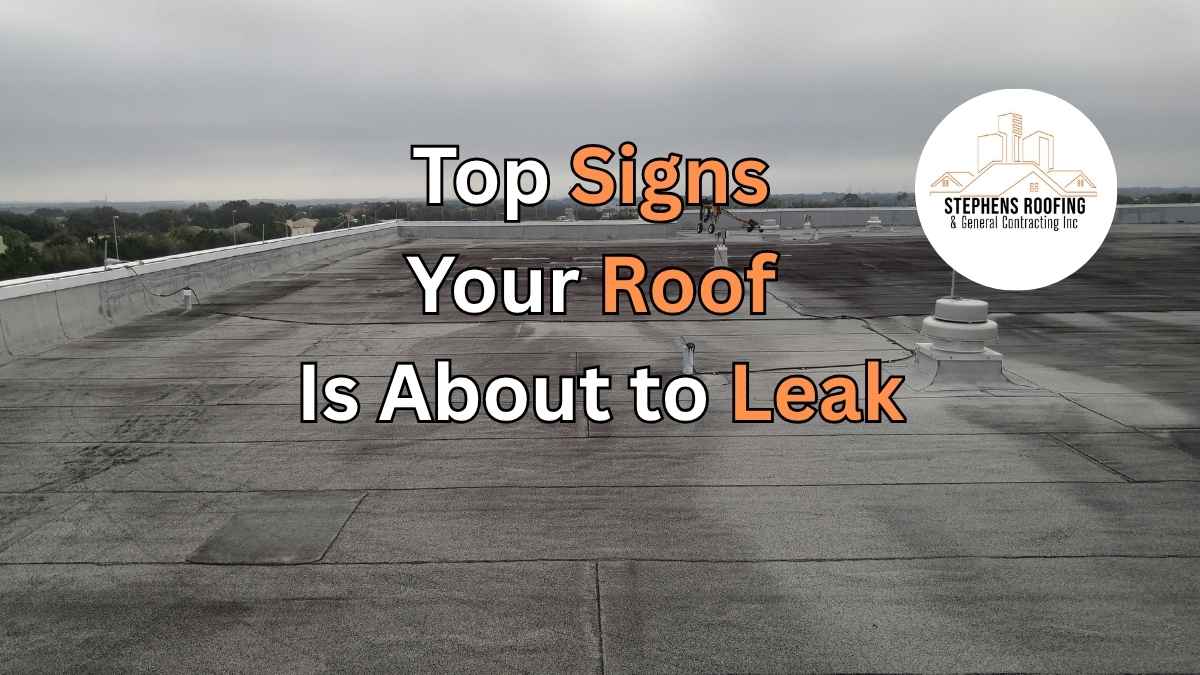
Top Signs Your Roof Is About to Leak (Phoenix Homeowners Must Know)
Roofs rarely leak out of nowhere. Catch these seven early warning signs before water gets inside — and save thousands in repairs.

Best Roofing Company in Phoenix: What to Look For Before Hiring
Choosing a roofer on price alone is how homeowners end up with poor workmanship and expensive repairs. Here are the seven things that actually matter.

Why Cheap Roofing Quotes Cost You More in the Long Run
The lowest estimate often hides poor materials, rushed workmanship, and missing warranties — and ends up costing Phoenix & Scottsdale homeowners far more over time. Here's why.